Inside the Algoter community.
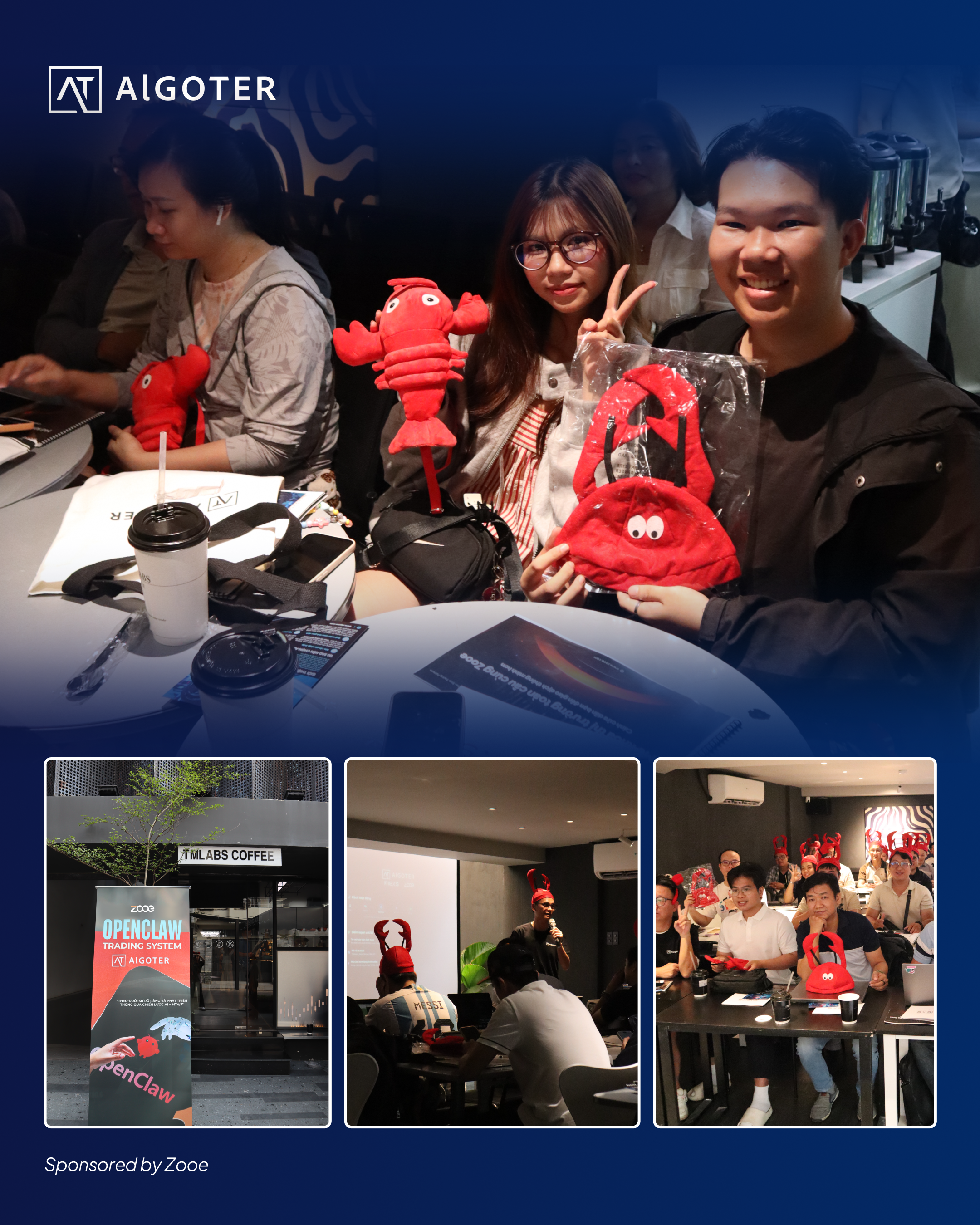
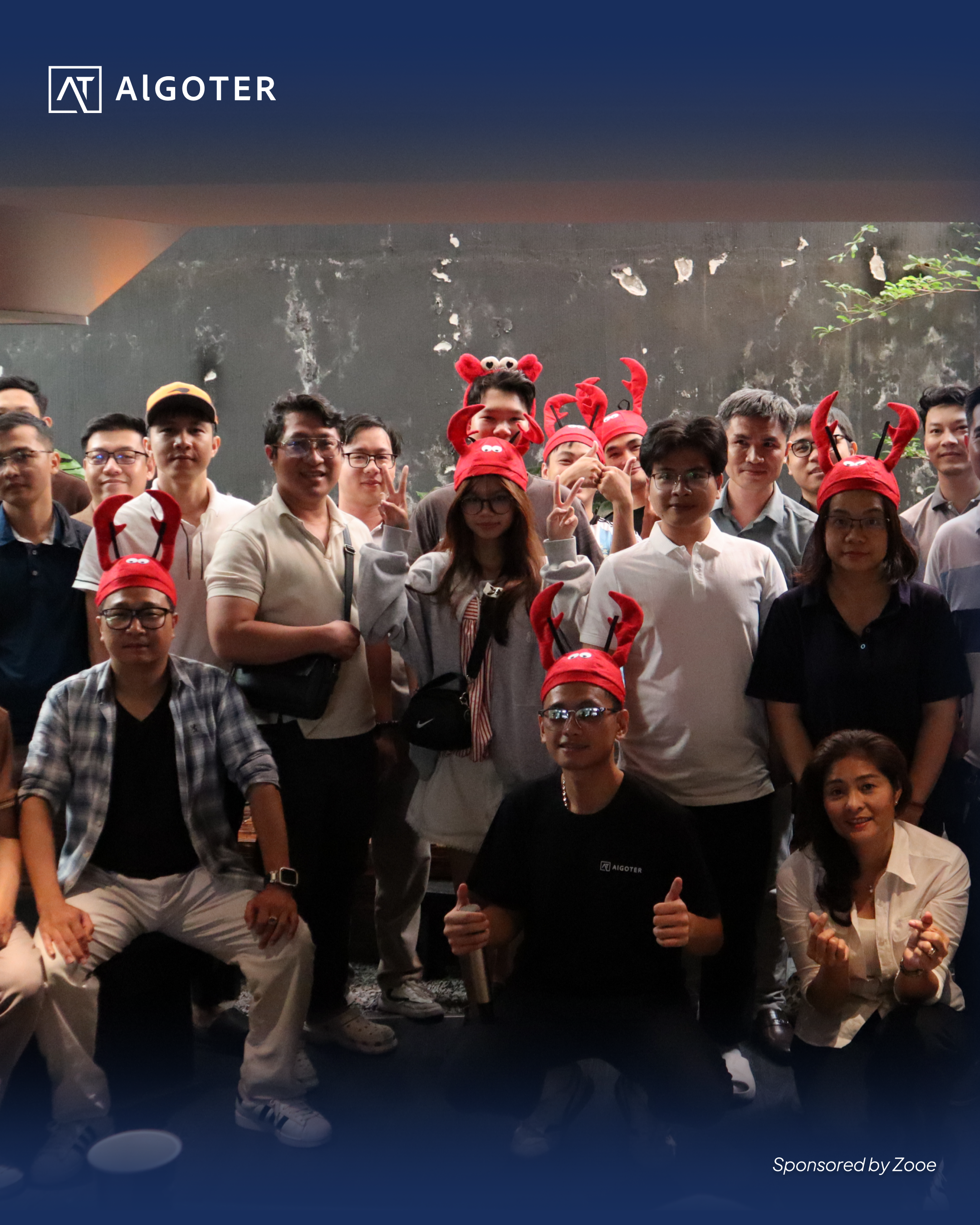
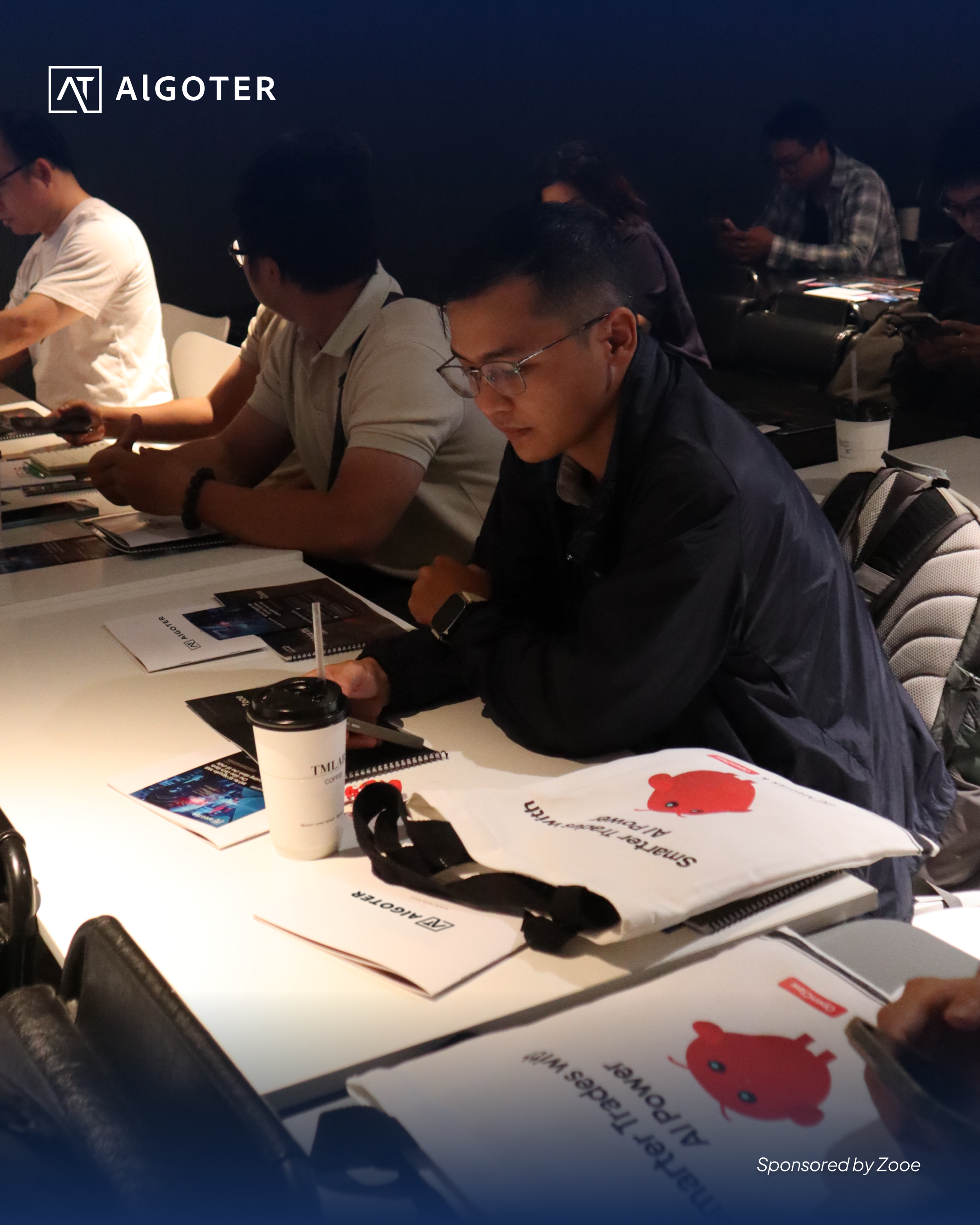
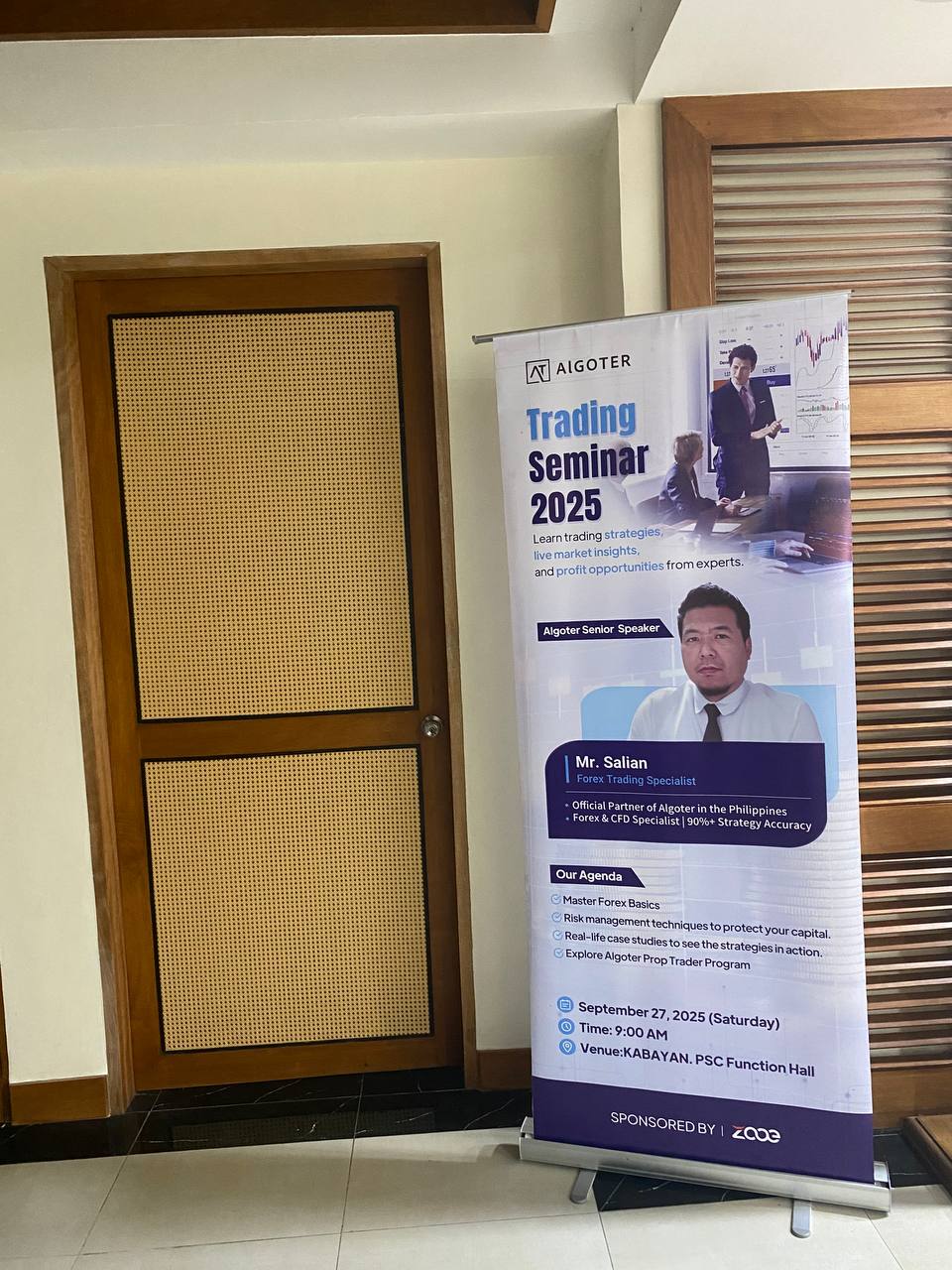
We meet traders in person — workshops, not just webinars.
Algoter runs hands-on quant training sessions across Vietnam, Thailand, and Taiwan. Live tape, real machines, real questions.
What you get when you join the ecosystem.
Pioneer Access
Priority access to beta testing and official releases of the world's latest fintech tools.
Offline Empowerment
Free invitations to regular AI Quant Training Camps for hands-on, live-market practice.
Elite Community Support
Join the Quant Developer Community to share trading skills, live models, and in-depth market reports in real time.
Technical Subsidies
Qualified live-account users get a full subsidy for the first month of AI trading environment deployment.
Three steps. No friction.
- Step 1
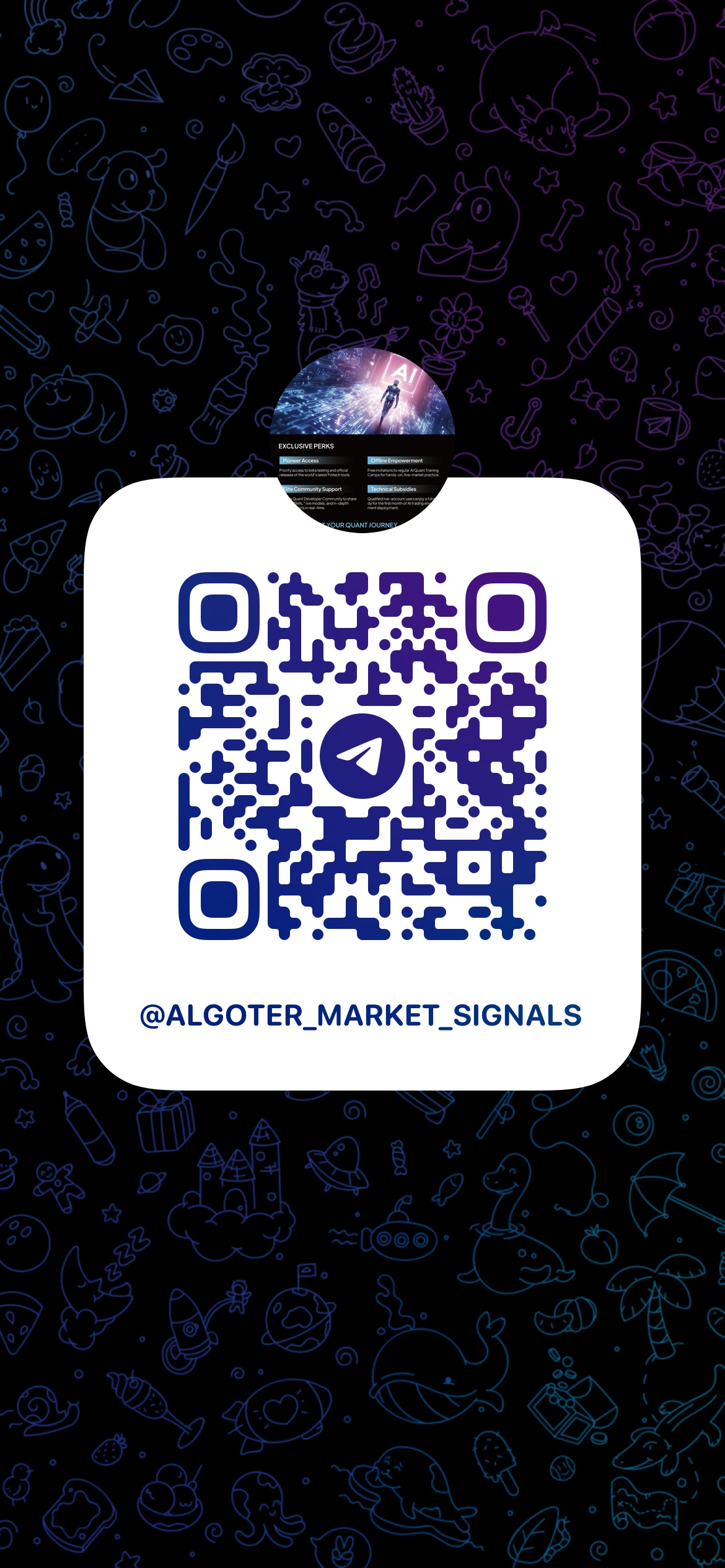
Join the Algoter official Telegram ecosystem.
Scan the QR with your phone, or tap to open the channel directly. Free signal channel + community access.
- Step 2
Contact your BDM to claim your exclusive API Token.
Our business development team walks you through provisioning and onboarding personally.
- Step 3
Book an offline workshop and activate your AI Quant Engine.
Hands-on, live-market practice with a live trainer. Available across Vietnam, Thailand, and Taiwan.